
Lowering Cholesterol with Whole Foods
A trusted food is one the label vouches for. A whole food is one the cell wall vouches for. Only the second is visible to your small intestine.
Dr. Kevin Ham, MD
In the last issue I said I would swap wheat for barley, draw labs on 4 August, and publish the result including the one I did not want. The results are in. This time I got the one I wanted, and I also got three corrections to things I have said in print. Both belong here. I was so very happy to see the reversal of my ApoB trending downwards to my personal best. And I’m on a mission.
The larger question underneath the experiment is one of definition. I had been using the word whole to mean trusted. A trusted food is one that a brand, a health claim, a shelf position or a long personal habit has vouched for. Sprouted whole grain sourdough is trusted. Steel cut oats are trusted. Pearl barley is trusted. A whole food is narrower. It is a food whose plant cell walls are still closed when it reaches the duodenum, so the enzymes have to wait. Trust is a social fact. Structure is a physical fact. The artery responds only to the second.
The Result I Wanted
“Apolipoprotein B counts the number of atherogenic particles and is the better measure of risk when it and LDL cholesterol disagree.”
Sniderman, Thanassoulis, Glavinovic and colleagues. JAMA Cardiology, 2019.
June 30, 2026 my apolipoprotein B was 73 mg/dL. I reduced my wheat and bread consumption to once a week on July 21. On August 4, 2 weeks later, my apoB was 60 on Quest Labs and 59 on Access Labs. That is a fall of 13 points, about 18 percent, in 14 days, from one structural change to the carbohydrate.
Two weeks is fast, and it is fast for a reason that is well understood. LDL particles have a plasma residence time measured in days, so when hepatic receptor expression changes the circulating pool resets toward a new steady state within roughly 2 to 4 weeks. A 14 day draw catches most of the move but probably not all of it. If 14 days bought 13 points, the September draw 4 weeks later should tell me whether there is more underneath. The lipid panel from that Quest tube is still pending, so I do not yet have the LDL cholesterol, the triglycerides or the ion mobility particle count from that morning. Those 3 numbers are the ones that will confirm or complicate everything in this issue.
A Year of Yo-Yo’ing in the Neutral Zone Instead of the Reversal Zone
“The causal effect of LDL on the risk of atherosclerotic cardiovascular disease is determined by both the absolute magnitude of exposure and its cumulative duration over time.”
Ference, Ginsberg, Graham and colleagues. European Atherosclerosis Society Consensus Panel, European Heart Journal, 2017.
Table 1 Serial lipid markers
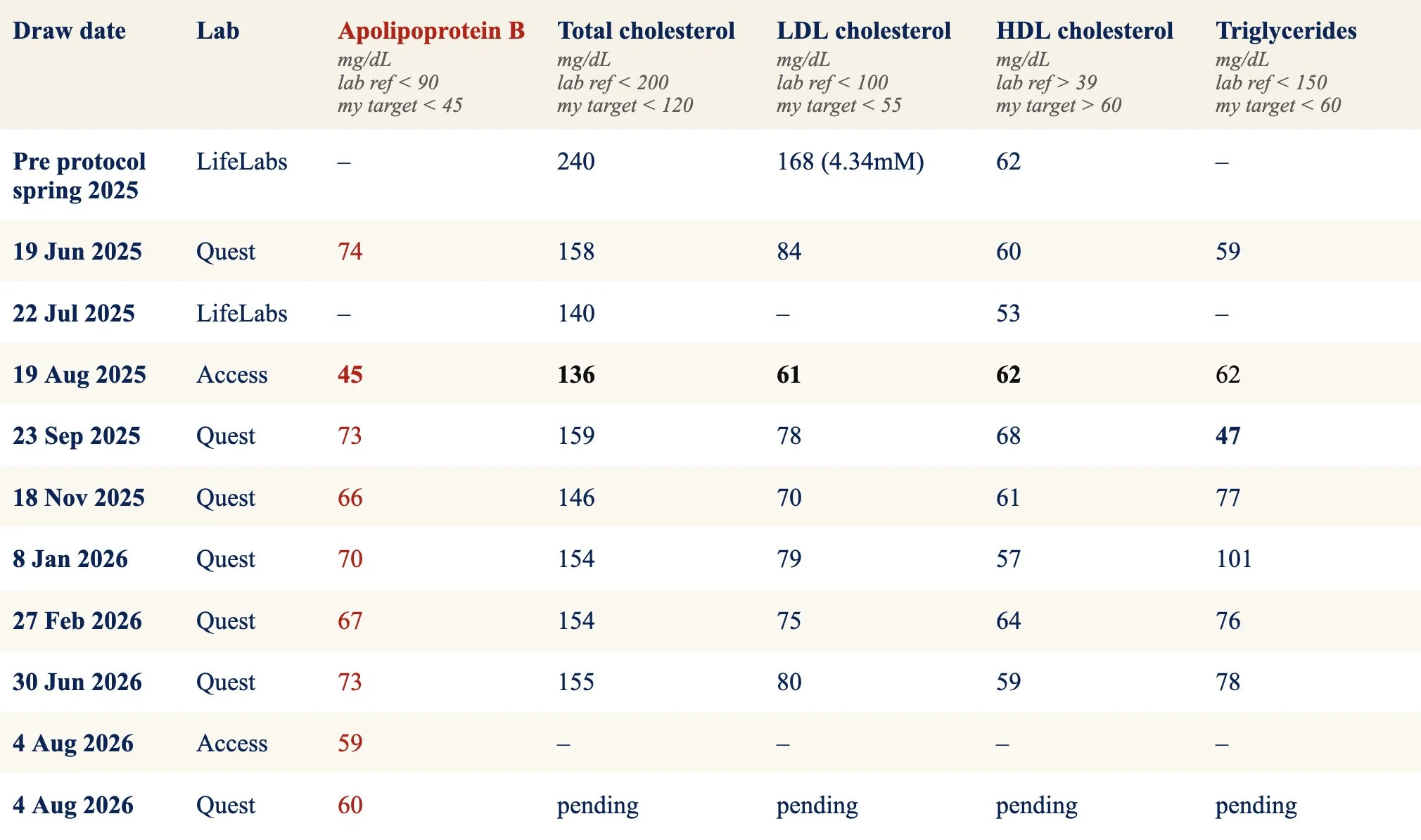
Table 2 Particle, inflammatory and metabolic markers
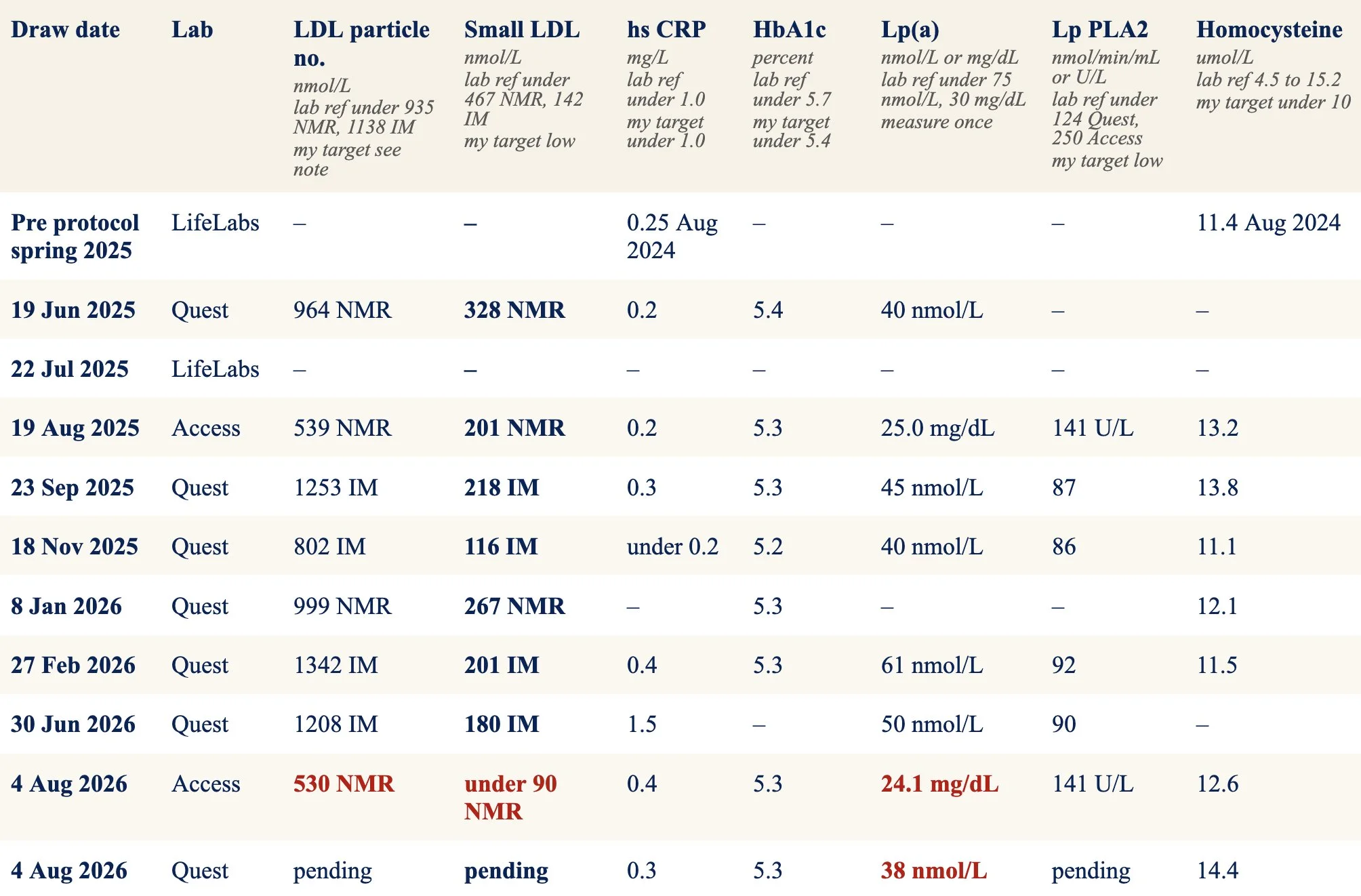
NMR is nuclear magnetic resonance and IM is ion mobility. Quest counted particles by NMR in June 2025 and January 2026 and by ion mobility in September 2025, November 2025, February 2026 and June 2026, so the particle columns cannot be read straight down as one series and each reference range is method specific.
Table 3 What coronary arrest and coronary reversal have required
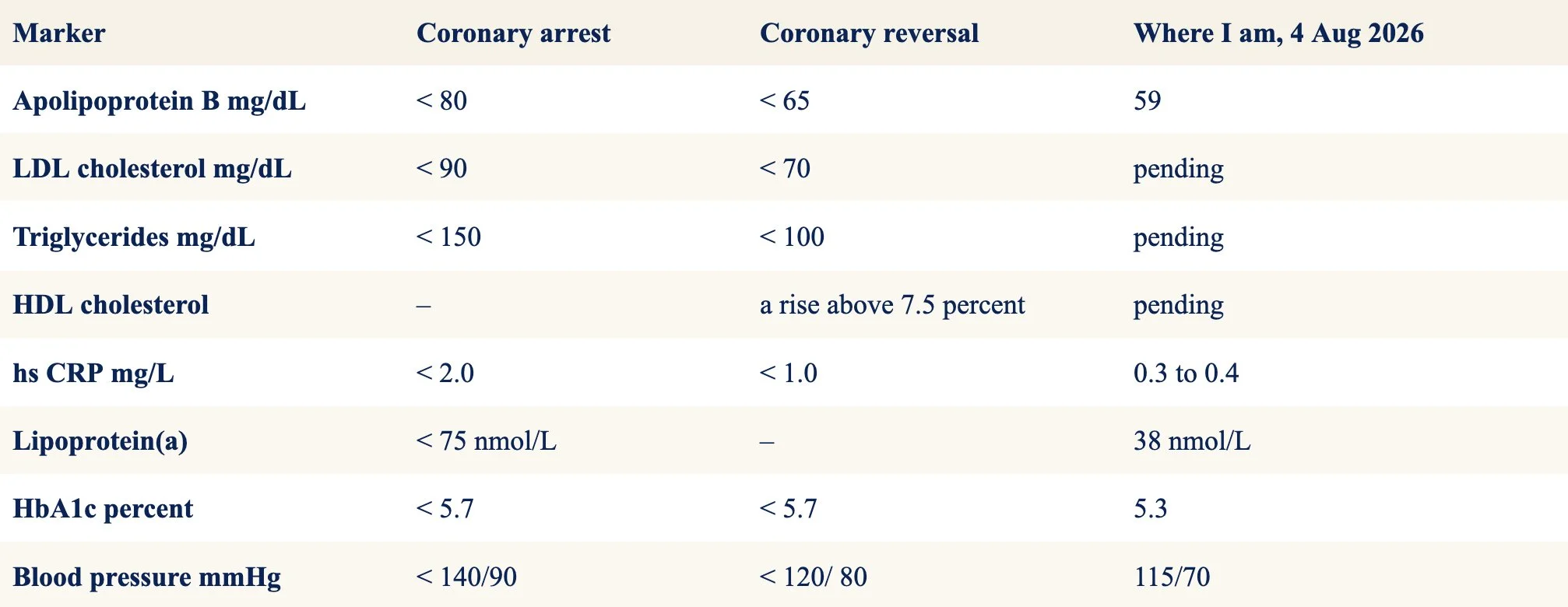
These columns describe what the serial coronary imaging trials actually achieved in treated cohorts, not validated cut points for an individual. They come from the pooled intravascular ultrasound analysis in which substantial regression appeared in patients whose treated LDL fell below the trial mean of 87.5 mg/dL and whose HDL rose by more than 7.5 percent, from ASTEROID, where a mean LDL of 60.8 mg/dL produced a 6.8 percent median reduction in atheroma volume, and from the evolocumab imaging work showing regression continuing to very low LDL. The apolipoprotein B and blood pressure thresholds are inferred from their LDL equivalents and from guideline goals rather than measured as imaging endpoints, so read them as estimates. Higher HbA1c blunts plaque regression under otherwise adequate treatment.
The shape of 15 months is easy to describe and was uncomfortable to own. The first 12 weeks were a collapse in the right direction, from an LDL of 168 to 61 and an apolipoprotein B of 45. The following 12 months were a slow leak, due to my constant experimentations: Three walnuts. Three olives. A whole pomegranate on top of an already generous berry load. Bread I told myself was whole. By 30 June the apolipoprotein B had walked back to 73, which is roughly 60 percent more atherogenic particles arriving at the endothelium every hour than at my best. The August result does not undo that year. It shows the direction is still available.
Two rows deserve comment before the reader draws the wrong lesson from them. The hs CRP of 1.5 on 30 June is the only elevated inflammatory value in the series, due to me running a half marathon two days before the blood tests. I’m back down to 0.3 in August. A single high hs CRP is far more often a transient response to infection, travel or a hard training block than a change in baseline.
The lipoprotein(a) row is more interesting. On the same Quest assay it has read 61, then 50, then 38 nanomoles per litre across 5 months. Lipoprotein(a) is largely genetically determined and is usually treated as fixed. A fall of that size is more than assay noise and I do not have a confident explanation for it. It is also worth noting that Access reported 24.1 mg/dL on the same day, but this mass result in milligrams cannot be converted cleanly into a molar result in nanomoles because the particle carries a variable number of repeat units. Whatever else is true, my lipoprotein(a) is not the dominant part of my risk, and it never was.
The Bread Was Never Removed
“Subjects who reported eating under 1,200 calories a day and could not lose weight were found to be underreporting their actual intake by 47 percent and overreporting their exercise by 51 percent, with no abnormality of metabolism.”
Sonia, Witjaksono and Ridwan. Asia Pacific Journal of Clinical Nutrition, 2015.
I now log all my food for calories, macronutrients and micronutrients so I get an accurate archive. Here is a fact about the last 15 months that I have never put in writing, and it changes how the record should be read. From May 9, 2025 until July 21, 2026 I was eating bread every day. Typically 2 slices of ancient grain sourdough, more on training days, often with pasta alongside it. Every number in Tables 1 and 2 up to and including July 21 was produced by me eating flour daily inside a protocol that does not technically consider a true ‘whole food’.
That cuts both ways and I want both edges visible. The uncomfortable edge is that I spent 14 months describing myself as whole food plant based while eating a milled grain product every day, and I only noticed because I sat down in Kauai and audited myself honestly. The encouraging edge is more interesting. I reached an apolipoprotein B of 45 in August 2025 with the bread still in the diet. Bread was never the thing standing between me and my best number. It was one of several things sitting on top of it.
So the lever I pulled on July 21, was not the only lever, and the 13 points it bought in 14 days are not the ceiling of what removing it can do. Bread and pasta are now once a week, and typically before a 3 to 4 hour ride where the glycogen has somewhere to go and the working legs take the glucose up through a contraction driven pathway that does not need insulin at all. That is a budget, not a loophole, and I am going to keep saying so until I stop being tempted to treat it as one.
Two Laboratories for Truth
“When a new measurement method is compared with an established one, correlation between them is misleading. What matters is the size and the spread of the difference between paired readings.”
Bland and Altman. The Lancet, 1986.
I split the August 4 draw across both laboratories for one specific reason. My best apolipoprotein B, the 45 from August 2025, was an Access Labs result and every number since has been Quest, so I had no way of knowing whether I was comparing a real change or 2 different rulers. Quest read 60 and Access read 59. They agree to within a single milligram per decilitre. That settles it. There is no meaningful apolipoprotein B offset between these 2 laboratories, which means the 45 from last August was a true reading and not a laboratory artefact, and the drift up to 73 by June was equally real. I have a defensible baseline, a defensible best, and a defensible current number, all on the same scale. The particle counts are a separate question, because Quest counts by ion mobility and Access by nuclear magnetic resonance and the 2 methods do not return the same figure. The ion mobility count from that same tube is still pending, and until it arrives the rule is to compare each method only against itself and let apolipoprotein B referee.
What the Plaques Declare
“In patients with stable chest pain, low attenuation plaque burden on coronary computed tomography was the strongest predictor of fatal or non fatal myocardial infarction, ahead of calcium score, stenosis severity and conventional risk scores.”
Williams, Kwiecinski, Doris and colleagues. SCOT-HEART, Circulation, 2020.
The imaging can be stated in a paragraph. The coronary CT in June 2025 found 304.8 cubic millimetres of plaque across the whole tree. Of that, 199.7 is calcified and 104.7 is non calcified, so roughly 2/3 of my disease is scar and will not move and roughly 1/3 is live tissue that can. Low attenuation plaque, the lipid rich necrotic material that ruptures and kills people, measures 0.4 cubic millimetres in total, which is under a tenth of 1 percent of atheroma volume. In the first diagonal, the artery with the 77 percent narrowing, the movable fraction is 20.7 cubic millimetres and that is the specific target. On the carotid side, plaque that had been reported previously was gone by the August 2025 Carotid ultrasound, 3 months into the 10 percent fat whole food plant based diet, with no plaque visualised on either side. My disease is large, old and hard, and it is not unstable. Those are very different situations and the second is much the better one to be in at 55.
The Number I Want Is 45, then 38
“Among 198 consecutive patients with established cardiovascular disease counselled on a whole food plant based diet, adherent patients experienced a markedly lower rate of subsequent cardiac events than those who were not adherent.”
Esselstyn, Gendy, Doyle, Golubic and Roizen. Journal of Family Practice, 2014.
Dr. Joe Crowe was 44, a Cleveland Clinic surgeon, when he had a heart attack in November 1996 after a full day of operating. His distal left anterior descending artery was occluded in a position not amenable to a stent or a graft. He declined a statin, went on the 10% fat whole food plant based protocol, and brought his total cholesterol to 89 and his LDL cholesterol to 38.32 months after the infarction the repeat angiogram showed the vessel filling again, 100%! Those 2 films sit side by side in Esselstyn's book, Prevent and Reverse Heart Disease, and they are, to me, the most consequential pair of images in cardiology.
I have been carrying that number, 38, for a year. It is worth being precise about why I am unlikely to repeat his result, because a target you cannot honestly reach is a target that will eventually make you dishonest.
Crowe reached a total cholesterol of 89 on food alone, which places him in genuine hyper responder territory. Most people, including me, likely do not have that liver. He was 44 with a fresh, soft, lipid rich lesion from an acute event. I am 55, with 304.8 cubic millimetres of plaque across all 3 territories, two thirds of it calcified, and a D1 that has been narrowing quietly for years rather than closing in an afternoon. At maximal adherence in 2025 I reached LDL 61, not 38.
So the goal has to be stated in the form the biology will actually accept. Calcified plaque is scar. It is stable, it is not going anywhere, and a calcium score that holds flat or rises modestly under good treatment is not a failure. Non calcified plaque is metabolically live tissue and it is the fraction the serial imaging literature repeatedly shows moving. My aim is to reverse as much of the 20.7 cubic millimetres of non calcified volume in the D1 as the biology allows, and to hold apolipoprotein B low enough and long enough that the remainder converts from live tissue into inert scar, as well as create ample collateral blood vessels and revive the endothelium of my arterial walls.
Which is why the number in front of 38 is 45. I have been there before, in August 2025, and I was there with bread still on the plate. Getting from 59 back to 45 is another 14 points, almost exactly the size of the drop I just made in 14 days, and this time the wheat is out as well. That is not a hope. It is a hypothesis with a test date on it.
If continued adherence lands me at 45 for apolipoprotein B and in the low 50s for LDL cholesterol this autumn, that is a real result and it is still short of Crowe. That is the point at which a powerful food or plant sterol or ezetimibe or bempedoic acid or a PCSK9 inhibitor question stops being theoretical and becomes a decision to make with my cardiologist rather than one to defer. An apolipoprotein B of 59 says the food is working. It does not yet say the food is enough.
My Top 5 LDL Lowering Foods
“In 46 hyperlipidemic adults, a portfolio of cholesterol lowering foods (portfolio diet) reduced LDL cholesterol by 28.6% in 1 month, against 30.9% for 20 mg of lovastatin and 8 percent for a conventional low saturated fat diet.”
Jenkins, Kendall, Marchie and colleagues. JAMA, 2003.
Every food I am about to list is worth single digits. The CUT or subtraction is worth 10 times more than any of them, and if the order of operations is wrong then nothing else matters. Cut 1st. Add 2nd.
The size of the cut is not a guess. In Esselstyn original series, 18 severely ill patients who adhered to the diet brought a mean total cholesterol of 237 mg/dL down to 137 at 5 years, a fall of 42%, and 11 of them who had repeat angiography showed no additional stenosis with 8 showing regression. In his 2014 follow up of 198 consecutive patients with established cardiovascular disease, 177 were adherent, and across a mean of 3.7 years there was 1 stroke among those 177 against 13 major events among the 21 who were not adherent. My own cut took LDL cholesterol from 167 to 61 in 12 weeks, a fall of 63%. Removing oil, dairy, meat and refined flour is worth somewhere between 30% and 50%. Nothing you add to a plate approaches that.
What follows is the second lever, and the honest way to read the table is that these effects ADDing a stack and the ceiling of the whole stack is around 25% to 30%. The barley and oats act by beta glucan via bile acids, similar to psyllium husk, which I tried but didn’t add enough incremental decrease for me so I stopped it. Grapefruit via the liver. Lentils and beans another mechanism. I plan to do a separate newsletter to do a deep dive on the mechanisms of this so that your strategy of food choices becomes clearer in the future.
Table 4 My top LDL lowering foods
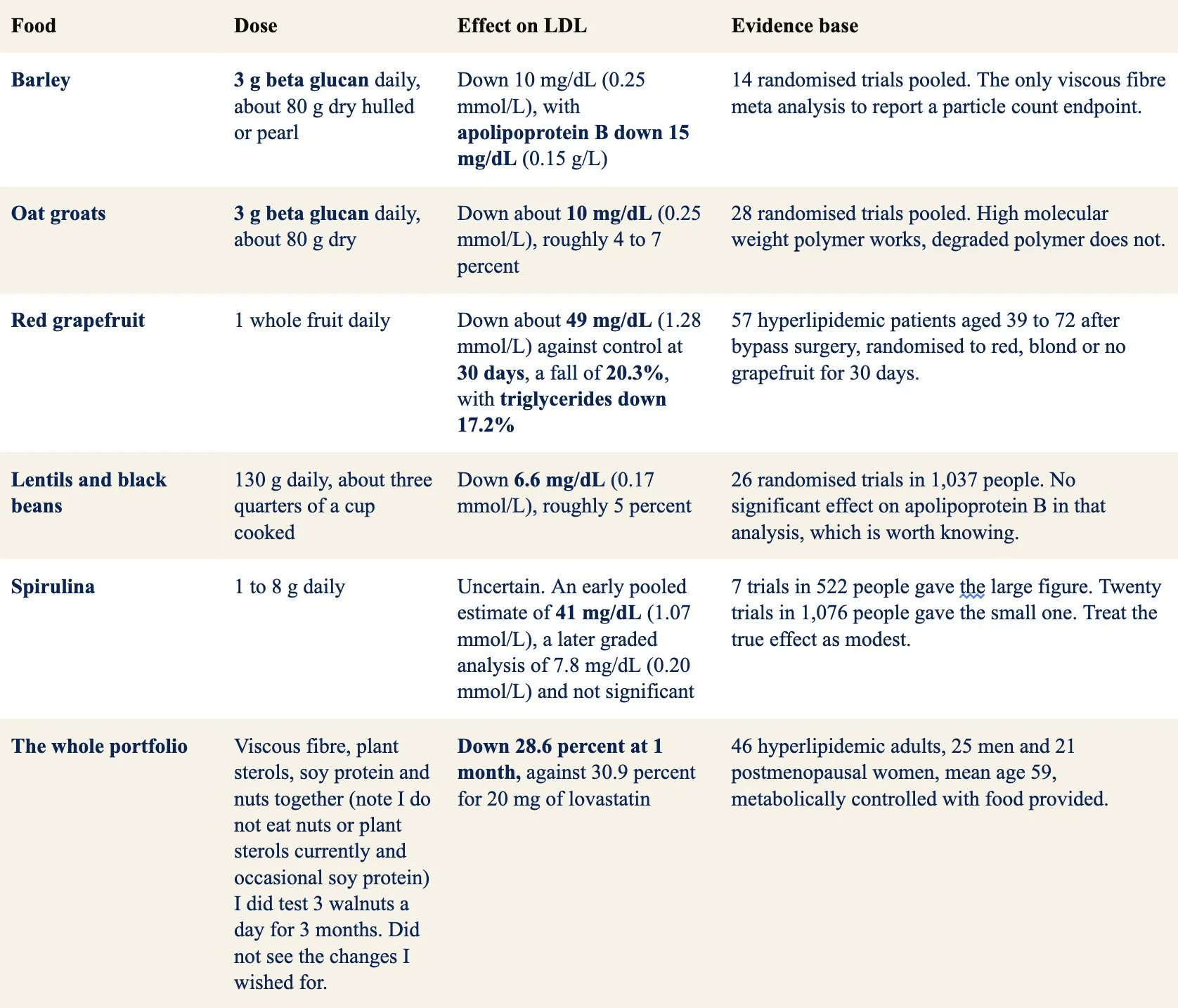
A 5% reduction on an LDL of 160 is 8 mg/dL. The same 5% on an LDL of 80 is 4. The lower you already are, the less absolute movement each addition buys, which is the arithmetic reason the cut has to come first.
The grapefruit needs a warning attached to it every single time it is mentioned, and I am not going to bury it in a footnote. Grapefruit contains furanocoumarins that irreversibly inhibit the CYP3A4 enzyme in the intestinal wall, which is the enzyme that breaks down a long list of common drugs before they reach the bloodstream. Block it and the drug is absorbed at several times the intended dose. The list includes simvastatin, lovastatin and atorvastatin, where the consequence can be muscle breakdown and kidney injury, along with amiodarone, several calcium channel blockers, tacrolimus, cyclosporine and some benzodiazepines. The inhibition is irreversible and lasts until the gut makes new enzyme, which takes about 24 hours, so you cannot time your doses around it and juice is no safer than the fruit. If you are on any of these, do not add grapefruit without asking your physician first. Pravastatin, rosuvastatin and pitavastatin are generally not affected, and a PCSK9 inhibitor is an injected antibody that has nothing to do with this pathway at all.
That leaves the question of how far food can actually go, and there is one trial that answers it more cleanly than any other. Jenkins and colleagues took 46 healthy but hyperlipidemic adults, 25 men and 21 postmenopausal women, mean age 59 with a mean body mass index of 27.6, and randomised them for 1 month to 3 arms. A conventional very low saturated fat diet dropped LDL cholesterol by 8 percent. Twenty milligrams of lovastatin dropped it by 30.9 percent. A diet built from viscous fibre, plant sterols, soy protein and almonds dropped it by 28.6 percent, statistically indistinguishable from the drug.
The counterweight belongs in the same paragraph. That trial was metabolically controlled and the food was provided. When the same group ran the portfolio under real world conditions where participants shopped and cooked for themselves, only about a third of motivated people achieved a reduction greater than 20 percent. The ceiling of food is roughly a statin.
So my strategy for the next 12 weeks is stated in order rather than as a list. The cut is already made and it is the thing I protect. Then barley and oat groats every day for the 3 grams of beta glucan, lentils or black beans every day for the pulse effect and the resistant starch that comes with them, a red grapefruit daily because I am on no interacting medication and 20 percent in 30 days in bypass patients is the largest single food effect in the table, and spirulina retained on the understanding that its true effect is variable. Getting apolipoprotein B from 59 to 45 is a 24 percent move, which is a portfolio sized ask being made from an already low starting point. That is the honest measure of how hard this next stretch is, and it is why the answer in September will be interesting whichever way it falls.
The Grain I Cannot Find
“Across pearling fractions of 15 barley cultivars, protein, ash and antioxidant activity fell from the outer layers to the inner ones while beta glucan showed the opposite trend.”
Irakli, Lazaridou, Mylonas and Biliaderis. Foods, 2020.
Bread and pizza, both of which I love, are now a once a week event rather than a daily one, and when I do eat them it is an ancient grain sourdough, einkorn, emmer or kamut. In their place I have put barley, for the beta glucan, and oat groats in place of steel cut oats.
This is where the trusted food problem announced itself. I went looking for hulled barley, the true whole grain in which only the inedible outer hull has been removed and the bran is fully intact, and I cannot reliably buy it. What is on every shelf is pearl barley, abraded to strip the hull and part or all of the bran. It is the same relationship as steel cut oats to rolled oats, or more exactly the relationship between oat groats and steel cut oats, which is why I moved to groats. The groat is not cut at all. I cook it like rice and it is genuinely delicious, chewier and nuttier than anything a steel cut oat produces.
Now the part that surprised me and that changes the practical answer. In wheat the fibre is concentrated almost entirely in the bran, so milling it away is catastrophic. In barley the beta glucan is distributed throughout the endosperm and actually increases toward the inner layers of the kernel. The pearling studies show protein, ash, phenolics and antioxidant activity falling as you move inward while beta glucan rises. Pearl barley therefore loses the bran fibre, the minerals, the ferulic acid and most of the antioxidant capacity, and yet retains a great deal of its beta glucan. It is a compromise. It is not the disaster that white flour is.
What pearling does destroy is structure, and structure is the whole argument of this issue. The intact cell walls that force the enzymes to wait are abraded away, so pearl barley digests faster than hulled. My working answer is practical rather than pure. I will use pearl barley when it is what I can buy, and I will restore what pearling took by cooking and cooling it. Cook a large batch, refrigerate overnight, reheat portions through the week. The amylose retrogrades into resistant starch type 3 and the melting temperature of that crystal is high enough that ordinary reheating does not undo it.
Three shelf terms are worth knowing before the next grocery trip. Pot barley, sometimes sold as Scotch barley, is lightly pearled and sits between hulled and pearl. Hulless or naked barley is a cultivar whose hull threshes free in the field, so it needs no pearling at all and is a true whole grain by default. It is the one worth ordering by mail if the local shelves will not cooperate. And the word intact on a package means more than the word whole.
Table 5 Trusted foods and their whole food equivalents
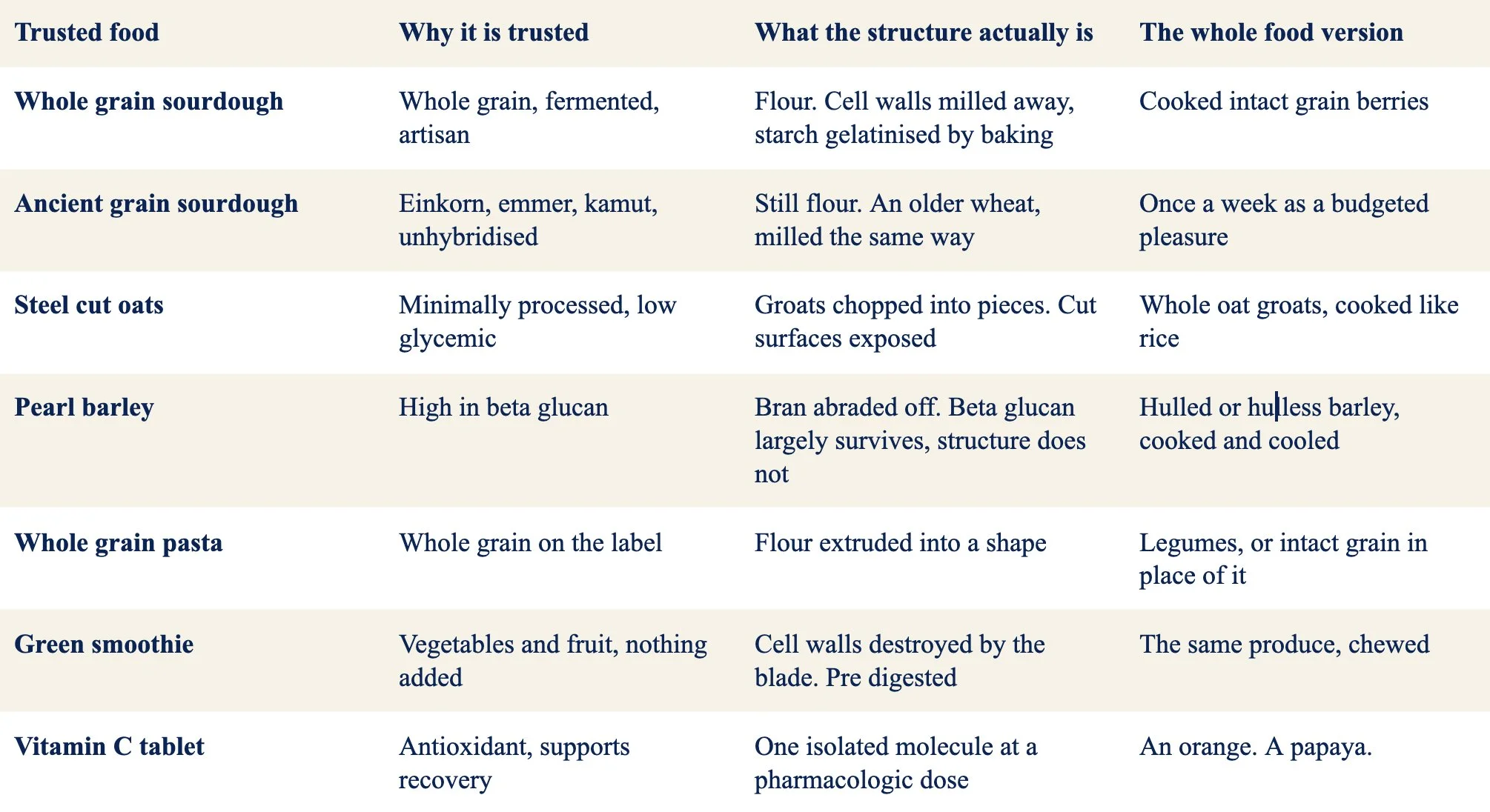
The test in the third column is always the same. Ask whether the plant cell wall is still closed when the food reaches the small intestine. If the answer is no, the food is processed regardless of what is written on the bag.
I have to be honest about the weekly sourdough, because I am the one who will be tempted to launder it. Einkorn and kamut are older wheats with different gluten and, in a long fermentation, a somewhat lower glycemic response. None of that restores a cell wall that a roller mill has already destroyed. The weekly loaf is a budgeted pleasure inside a protocol that formally excludes it. That is a defensible thing for a 55 year old man to choose. It is not a whole food, and I am done calling it one.
Subtracting the Shelf
“In a double blind randomised study, 1 gram of daily vitamin C reduced the training induced improvement in maximal oxygen uptake and blunted the expression of the transcription factors that drive mitochondrial biogenesis.”
Gomez-Cabrera, Domenech, Romagnoli and colleagues. American Journal of Clinical Nutrition, 2008.
The same reasoning that took the bread off my plate took roughly 80 percent of the bottles off my shelf. A supplement is the most processed food object in the house. It is a single molecule, isolated from the matrix that carried it, at a dose no plant has ever produced. If structure is the active ingredient, I cannot keep a shelf of isolated molecules and call myself consistent. What remains is spirulina. Next month I will add 500 mg of vitamin C, on hard rides only, at a deliberately small dose because the exercise induced oxidative stress I would be buffering is also the signal I am training to produce. Otherwise the ascorbate arrives inside an orange or a papaya.
On the long rides I eat dried figs and dates, and that does not contradict the pomegranate correction from January. Fructose eaten at rest bypasses phosphofructokinase, the main regulated checkpoint of glycolysis, and flows toward lipogenic substrate without feedback control. During exercise, muscle contraction recruits glucose transporters to the cell surface independently of insulin and the working legs are an enormous sink competing for that substrate before the liver ever sees it. Sugar during a 4 hour climb is fuel. The same sugar on the sofa is a lipogenic signal.
The riding is deliberately structured. I hold an average heart rate around 140 to 150 with a ceiling of 170. Against a measured maximum of 195 that is 72 to 77 percent of maximum for the bulk of the work, with the ceiling at 87 percent.
Trusted, Not Whole
“Intact plant cell walls physically encapsulate the starch and fat held inside them and limit the access of digestive enzymes, so the same nutrients in a milled food and an intact one are not equally available to the body.”
Grundy, Edwards, Mackie, Gidley, Butterworth and Ellis. British Journal of Nutrition, 2016.
The simple believes everything, but the prudent gives thought to his steps. Proverbs 14:15. I have read that verse for years as being about gullibility toward people. It is at least as much about gullibility toward objects, and toward your own earlier sentences. The simple man is not reckless. He is untested in his trust.
I trusted the bread because it was sourdough and half whole grain. I trusted the oats because they were steel cut. I trusted a carotid comparison because the numbers moved in the direction I wanted.
So the record now reads as follows. Apolipoprotein B 73 to 59 in 14 days on one structural change to the carbohydrate, after 14 months in which I ate bread daily and called it whole. Two thirds of my plaque is calcified and will not move. The third that can move is about 105 cubic millimetres, of which 20.7 sits in the artery I care about most, and almost none of it is the low density material that kills people. Inflammation is quiet and glucose handling is clean. The mechanism I have been writing about for a year is now visible in my own blood, which is the least common outcome in self experimentation and the only one worth waiting for. The next labs are in early to mid September at 4 to 6 weeks, then week 8, then week 12, and I will publish all of them, including the ones I do not want.
A Request
Each Saturday I upload a new video to my Youtube Channel. Please like, comment and subscribe so that this reaches the people in your network who need it. It is my mission to help people avoid the heart attack, the stroke and the sudden death that I very nearly succumbed to myself.
https://www.youtube.com/@DrKevinHam
Your Question
A question worth exercising with
For yourself. For someone you love. Answer this question in the quietness of your day.
Which food in your kitchen do you trust most and which do you now trust least, and when did you last look at what it is actually made of?
Consider removing the one that is not beneficial to you or even, harmful to you starting today for the next 3 months.
For Someone You Love
There is someone in your life eating carefully and still moving in the wrong direction. You thought of them. Send this to them. Your loved ones just need the information to act and a guide to help them.
Keep going. The race is long, the road is beautiful, and the body was built to heal. Grace, strength and love to you.
MORE READINGS YOU’LL ENJOY
Health
Reversing My 77% Heart Plaques
Stats Say You Likely Have Heart Plaque
The Healing Power of Food: Nitric Oxide
Meaning
I pray you unlock your heart to reach the height of your full potential by discovering your calling.
Kevin Ham, MD
Appendix:
Studies and Sources
Particle measurement and assay comparability
Sniderman AD, Thanassoulis G, Glavinovic T, et al. Apolipoprotein B particles and cardiovascular disease: a narrative review. JAMA Cardiology. 2019;4(12):1287 to 1295.
The case for apolipoprotein B as the primary measure of atherogenic risk, superior to LDL cholesterol when the two diverge. The basis for using apolipoprotein B as the referee when ion mobility and nuclear magnetic resonance particle counts disagree.
Marcovina SM, Albers JJ. Lipoprotein (a) measurements for clinical application. Journal of Lipid Research. 2016;57(4):526 to 537.
Explains why lipoprotein(a) results differ between laboratories. The particle carries a variable number of repeat units, so assays reporting mass in milligrams are biased by isoform size and cannot be converted cleanly into molar concentration.
Contois JH, McConnell JP, Sethi AA, et al. Apolipoprotein B and cardiovascular disease risk: position statement from the AACC Lipoproteins and Vascular Diseases Division Working Group on Best Practices. Clinical Chemistry. 2009;55(3):407 to 419.
Sets out that apolipoprotein B counts every atherogenic particle, very low density lipoprotein and intermediate density remnants and lipoprotein(a) as well as LDL, and that LDL normally accounts for the large majority of them. The basis for estimating how much of an apolipoprotein B to particle count gap remnants can actually explain.
Caulfield MP, Li S, Lee G, et al. Direct determination of lipoprotein particle sizes and concentrations by ion mobility analysis. Clinical Chemistry. 2008;54(8):1307 to 1316.
The method paper for ion mobility particle counting, which separates and counts particles directly by size rather than inferring subclass concentrations from a spectrum. The reason ion mobility and nuclear magnetic resonance results are not interchangeable and must be trended within a single method.
Ference BA, Ginsberg HN, Graham I, et al. Low density lipoproteins cause atherosclerotic cardiovascular disease. Evidence from genetic, epidemiologic, and clinical studies. European Heart Journal. 2017;38(32):2459 to 2472.
European Atherosclerosis Society consensus establishing causality and the cumulative exposure model. Burden is particle concentration multiplied by years of exposure, which is why 12 months at apolipoprotein B 73 is not a rounding error.
Plaque composition, imaging and reversal
Lee SE, Chang HJ, Sung JM, et al. Effects of statins on coronary atherosclerotic plaques: the PARADIGM study. JACC Cardiovascular Imaging. 2018;11(10):1475 to 1484.
Serial coronary CT angiography in 1,255 patients. Treated lesions showed slower progression of non calcified plaque volume and fewer new high risk features, alongside faster progression of calcified volume. Direct evidence that the dangerous fraction and the inert fraction move in opposite directions.
Williams MC, Kwiecinski J, Doris M, et al. Low attenuation noncalcified plaque on coronary computed tomography angiography predicts myocardial infarction: results from the multicentre SCOT-HEART trial. Circulation. 2020;141:1452 to 1462.
Post hoc analysis of the SCOT-HEART trial in patients with stable chest pain. Low attenuation plaque burden was the strongest predictor of fatal or non fatal myocardial infarction, independent of calcium score, stenosis severity and conventional risk factors. The reason a total plaque volume of 304.8 cubic millimetres carrying only 0.4 cubic millimetres of low attenuation material is a different situation from the same volume built around a large lipid rich core.
Nicholls SJ, Tuzcu EM, Sipahi I, et al. Statins, high-density lipoprotein cholesterol, and regression of coronary atherosclerosis. JAMA. 2007;297(5):499 to 508.
Pooled raw data from 4 prospective randomised intravascular ultrasound trials in 1,455 patients. Substantial regression, defined as a reduction in atheroma volume of 5 percent or more, appeared in those whose treated LDL fell below the trial mean of 87.5 mg/dL and whose HDL rose by more than 7.5 percent. The source of the coronary arrest and reversal columns.
Nissen SE, Nicholls SJ, Sipahi I, et al. Effect of very high-intensity statin therapy on regression of coronary atherosclerosis: the ASTEROID trial. JAMA. 2006;295(13):1556 to 1565.
Rosuvastatin 40 mg for 24 months in 349 patients with evaluable serial imaging achieved a mean LDL of 60.8 mg/dL, raised HDL by 14.7 percent, and produced a median 6.8 percent reduction in total atheroma volume. The first convincing demonstration of coronary regression rather than arrest.
Crouse JR 3rd, Raichlen JS, Riley WA, et al. Effect of rosuvastatin on progression of carotid intima media thickness in low risk individuals with subclinical atherosclerosis: the METEOR trial. JAMA. 2007;297(12):1344 to 1353.
Rosuvastatin 40 mg for 2 years lowered LDL from 155 to 78 mg/dL and significantly slowed carotid intima media progression against placebo, but the investigators state plainly that it did not induce regression. The benchmark against which the disappearance of my own carotid plaque within 3 months should be read.
Esselstyn CB Jr, Gendy G, Doyle J, Golubic M, Roizen MF. A way to reverse CAD? Journal of Family Practice. 2014;63(7):356 to 364b.
Follow up of 198 consecutive patients with established cardiovascular disease counselled on a whole food plant based diet. Adherent patients had a markedly lower rate of subsequent cardiac events than non adherent patients.
Esselstyn CB Jr. Prevent and Reverse Heart Disease. Avery, 2007.
Source of the Joe Crowe angiographic sequence, of his total cholesterol of 89 and LDL of 38, and of the protocol excluding added oil, nuts, seeds, avocado and olives for patients with established coronary disease.
The foods, and how far they go
Jenkins DJA, Kendall CWC, Marchie A, et al. Effects of a dietary portfolio of cholesterol lowering foods versus lovastatin on serum lipids and C reactive protein. JAMA. 2003;290(4):502 to 510.
Randomised 46 healthy hyperlipidemic adults, 25 men and 21 postmenopausal women of mean age 59, for 1 month to a low saturated fat control diet, 20 mg of lovastatin, or a portfolio of viscous fibre, plant sterols, soy protein and almonds. LDL cholesterol fell 8.0, 30.9 and 28.6 percent respectively. The cleanest measure of the ceiling of dietary lipid lowering.
Jenkins DJA, Kendall CWC, Faulkner DA, et al. Assessment of the longer term effects of a dietary portfolio of cholesterol lowering foods in hypercholesterolemia. American Journal of Clinical Nutrition. 2006;83(3):582 to 591.
The real world follow up. When motivated participants shopped and cooked for themselves rather than receiving provided food, only about a third achieved an LDL reduction greater than 20 percent. The necessary counterweight to the 28.6 percent figure.
Esselstyn CB Jr, Ellis SG, Medendorp SV, Crowe TD. A strategy to arrest and reverse coronary artery disease: a 5 year longitudinal study of a single physician practice. Journal of Family Practice. 1995;41(6):560 to 568.
The original series. Eighteen adherent patients brought mean total cholesterol from 237 mg/dL to 137 at 5 years, a 42 percent fall. None had a coronary event during the study against 29 events in the 8 years before it, and of 11 who underwent repeat angiography none progressed and 8 regressed. The magnitude of the cut.
Gorinstein S, Caspi A, Libman I, et al. Red grapefruit positively influences serum triglyceride level in patients suffering from coronary atherosclerosis: studies in vitro and in humans. Journal of Agricultural and Food Chemistry. 2006;54(5):1887 to 1892.
Fifty seven hyperlipidemic patients aged 39 to 72 after coronary bypass surgery were randomised in 3 groups of 19 to add 1 red grapefruit, 1 blond grapefruit or nothing to a low fat background diet for 30 days. LDL cholesterol fell 20.3 percent in the red group and 10.7 percent in the blond group against control, and only red grapefruit significantly lowered triglycerides, by 17.2 percent.
Bailey DG, Dresser G, Arnold JMO. Grapefruit medication interactions: forbidden fruit or avoidable consequences? Canadian Medical Association Journal. 2013;185(4):309 to 316.
The reference review of the interaction. Furanocoumarins in grapefruit irreversibly inhibit intestinal CYP3A4, raising systemic exposure to affected drugs several fold. Because the inhibition is irreversible and enzyme must be resynthesised, the effect persists for roughly 24 hours and cannot be avoided by separating doses.
Ha V, Sievenpiper JL, de Souza RJ, et al. Effect of dietary pulse intake on established therapeutic lipid targets for cardiovascular risk reduction: a systematic review and meta analysis of randomized controlled trials. Canadian Medical Association Journal. 2014;186(8):E252 to E262.
Twenty six randomised trials in 1,037 participants. A median dose of 130 g of pulses daily, about 1 serving, lowered LDL cholesterol by 6.6 mg/dL (0.17 mmol/L), roughly 5 percent. Treatment effects on apolipoprotein B and non HDL cholesterol were not observed, which is the honest limit of the pulse claim.
Serban MC, Sahebkar A, Dragan S, et al. A systematic review and meta analysis of the impact of Spirulina supplementation on plasma lipid concentrations. Clinical Nutrition. 2016;35(4):842 to 851.
Seven randomised trials in 522 participants found LDL cholesterol lower by 41.32 mg/dL and triglycerides by 44.23 mg/dL. The effect size is very large for a food and the trials were small and heterogeneous, which is why it should be read alongside the next entry.
Hamedifard Z, Milajerdi A, Reiner Z, et al. The effect of Spirulina supplementation on lipid profile: GRADE assessed systematic review and dose response meta analysis of randomized controlled trials. Pharmacological Research. 2023;193:106802.
Twenty trials with 23 arms in 1,076 participants. The graded analysis found a mean LDL reduction of 7.8 mg/dL that did not reach significance, with significant reductions only in triglycerides and total cholesterol. The reason to keep spirulina and to expect little from it.
Whitehead A, Beck EJ, Tosh S, Wolever TMS. Cholesterol lowering effects of oat beta glucan: a meta analysis of randomized controlled trials. American Journal of Clinical Nutrition. 2014;100(6):1413 to 1421.
Pooled 28 randomised trials. At or above 3 grams of oat beta glucan daily, LDL cholesterol fell by approximately 10 mg/dL (0.25 mmol/L) with no adverse effect on HDL or triglycerides. The trial base for the 3 gram threshold.
Barley, beta glucan and grain structure
Irakli M, Lazaridou A, Mylonas I, Biliaderis CG. Bioactive components and antioxidant activity distribution in pearling fractions of different Greek barley cultivars. Foods. 2020;9(6):783.
Analysed bran, dehulled and pearled fractions of 15 barley cultivars. Protein, ash, phenolics and antioxidant activity fell from the outer layers inward while beta glucan rose. The reason pearl barley loses its bran nutrients but retains much of its beta glucan, unlike milled wheat.
Martinez-Subira M, Romero MP, Macia A, Puig E, Romagosa I, Moralejo M. Bioactive compounds and antioxidant capacity in pearling fractions of hulled, partially hulless and hulless food barley genotypes. Foods. 2021;10(3):565.
Compared hulled, partially hulless and hulless barley across sequential pearling and confirmed the same inward gradient for beta glucan with antioxidant capacity concentrated outward. Supports choosing hulless cultivars where they can be found.
Ho HVT, Sievenpiper JL, Zurbau A, et al. A systematic review and meta analysis of randomized controlled trials of the effect of barley beta glucan on LDL cholesterol, non HDL cholesterol and apoB for cardiovascular disease risk reduction. European Journal of Clinical Nutrition. 2016;70(11):1239 to 1245.
Fourteen trials of barley specifically. LDL fell by approximately 10 mg/dL (0.25 mmol/L) and apolipoprotein B by approximately 15 mg/dL (0.15 g/L). One of the few fibre meta analyses to report a particle count endpoint and the direct evidence for substituting barley for bread.
Wolever TMS, Tosh SM, Gibbs AL, et al. Physicochemical properties of oat beta glucan influence its ability to reduce serum LDL cholesterol in humans: a randomized clinical trial. American Journal of Clinical Nutrition. 2010;92(4):723 to 732.
High molecular weight beta glucan lowered LDL substantially more than the same gram dose after the polymer had been degraded. Grams on a label are not the active dose. Intact viscous polymer is the active dose.
Reynolds A, Mann J, Cummings J, Winter N, Mete E, Te Morenga L. Carbohydrate quality and human health: a series of systematic reviews and meta analyses. The Lancet. 2019;393(10170):434 to 445.
Commissioned by the World Health Organization. Synthesised 185 prospective studies and 58 clinical trials and found fibre intake and whole grain intake, rather than glycemic index alone, most strongly predicted reduced mortality.
Sonia S, Witjaksono F, Ridwan R. Effect of cooling of cooked white rice on resistant starch content and glycemic response. Asia Pacific Journal of Clinical Nutrition. 2015;24(4):620 to 625.
Direct human evidence for the cook and cool instruction. Cooling cooked rice raised resistant starch content and produced a lower glycemic response even after reheating.
The cost of subtraction
Gomez-Cabrera MC, Domenech E, Romagnoli M, et al. Oral administration of vitamin C decreases muscle mitochondrial biogenesis and hampers training induced adaptations in endurance performance. American Journal of Clinical Nutrition. 2008;87(1):142 to 149.
Double blind randomised human study alongside a rat model. One gram of daily vitamin C reduced the training induced gain in maximal oxygen uptake and suppressed the transcription factors driving mitochondrial biogenesis. The reason to keep any supplemental dose small and occasional.
Sesso HD, Buring JE, Christen WG, et al. Vitamins E and C in the prevention of cardiovascular disease in men: the Physicians Health Study II randomized controlled trial. JAMA. 2008;300(18):2123 to 2133.
Randomised 14,641 male physicians and followed them for a mean of 8 years. Neither vitamin C nor vitamin E reduced major cardiovascular events. The null result that argues against antioxidant supplementation as cardiovascular prevention.
Richter EA, Hargreaves M. Exercise, GLUT4, and skeletal muscle glucose uptake. Physiological Reviews. 2013;93(3):993 to 1017.
Review of the contraction stimulated pathway that recruits glucose transporters to the muscle membrane independently of insulin. The basis for treating sugar taken during a long ride differently from the same sugar taken at rest.
Self report, measurement and food structure
Lichtman SW, Pisarska K, Berman ER, et al. Discrepancy between self reported and actual caloric intake and exercise in obese subjects. New England Journal of Medicine. 1992;327(27):1893 to 1898.
Doubly labelled water measurement in subjects who reported restricting intake to under 1,200 calories a day and still could not lose weight. Energy expenditure was normal. Actual intake was underreported by an average of 47 percent and physical activity overreported by 51 percent. The reference for why a protocol has to be audited against the written record rather than against memory.
Bland JM, Altman DG. Statistical methods for assessing agreement between two methods of clinical measurement. The Lancet. 1986;327(8476):307 to 310.
The standard approach to comparing two assays. Correlation is misleading, because two methods can track each other closely while one reads consistently higher than the other; what matters is the size and spread of the difference between paired readings on the same specimen. The methodological basis for the split specimen draw on 4 August.
Grundy MML, Edwards CH, Mackie AR, Gidley MJ, Butterworth PJ, Ellis PR. Re evaluation of the mechanisms of dietary fibre and implications for macronutrient bioaccessibility, digestion and postprandial metabolism. British Journal of Nutrition. 2016;116(5):816 to 833.
Review establishing cell wall encapsulation as a dominant mechanism of dietary fibre. Intact cell walls restrict the access of digestive enzymes to the starch and lipid inside them and limit starch gelatinisation during cooking, so identical nutrients in a milled food and an intact one are not equally available. The physical basis for the distinction between a trusted food and a whole one.
This issue describes a single physician self experiment and the published evidence behind it. It is not medical advice. Decisions about lipid lowering therapy, dietary protocols, supplementation and imaging surveillance belong in a conversation with your own physician.
Subscribe to my Compounding Wisdom newsletter and start transforming your life. ham.com
Subscribe to my YouTube channel @DrKevinHamfor videos on how I reversed my clogged arteries in 3 months, the top foods that clear your arteries, and the first principles of health that can save your life. Like, share and subscribe — it could save the life of someone you love.
